The Gundestrup Cauldron

Susie J Folmer, 27 July 2019
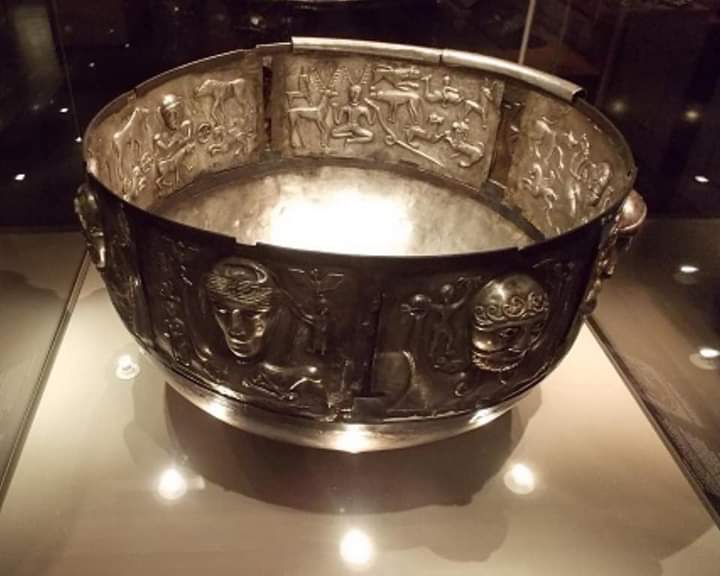
In 1891 a precious silver cauldron appeared during peat-digging in the bog Rævemosen, near Gundestrup in Himmerland, beyond the northern edge of the Celtic regions. The vessel had been deposited in the bog perhaps an immensely valuable sacrifice to the powers above. Before this occurred the cauldron had been taken apart. The rim and the large silver plates, which make up its sides, were taken off and placed in the bottom of the vessel. This magnificent cauldron is one of the most important and intriguing finds from ancient Europe. It reveals connections between communities thousands of miles apart.

Some ancient people of Denmark believed that gods lived in the bogs. This was because the natural peatlands provided many blessings that were critical for their survival. Peat provided fuel for fires that warmed their longhouses. The makers of linen textiles soaked their flax and hops in the bog water for the retting process. Additionally, iron smelters collected iron ore from the bogs. As a result of their many resources, the bogs evoked great reverence and appreciation.

The Gundestrup Cauldron’s motifs draw the observer into an alien universe far from that of the people who deposited it in the bog. The depictions are represented in a foreign style, indicatimg that the cauldron originally came from a distant area to the south or southeast. Exactly where it was made is still open to question. Perhaps it was a gift to a great chieftain or could it have been?

This cauldron is notable for being the largest known piece of European Iron Age silver work. Thus, much attention has been paid by scholars to this vessel. This is especially true with regards to its high quality workmanship and complex iconography, which have fueled debate about the origins of this object. The style of the designs suggests that it was made further east, in Bulgaria or Romania. At present, there are two main camps in the debate, one arguing that the cauldron is of Gaulish origin, while the other argues that the vessel is actually of Thracian origin. Some scholars say the spectacular vessel it is an intermingling of different cultures.

Sophus Müller, a Danish archaeologist, reassembled the cauldron after the discovery, and revealed;

“The outer panels show gods and goddesses. On the left a goddess with two birds is having her hair braided. On the right a god with a forked beard holds two humans.
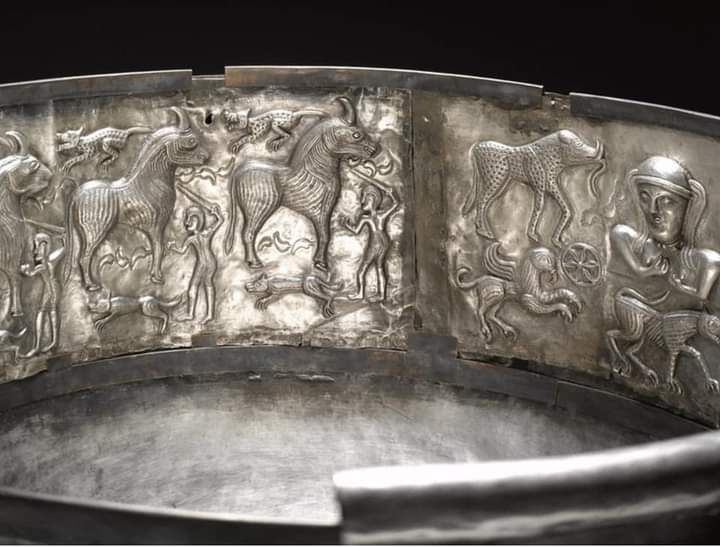

The enigmatic scenes inside depict people alongside fantastical creatures. The cross-legged man with antlers holding a horned snake may be a god. Behind him a small figure rides a fish. The goddess on the left is surrounded by wild and strange beasts – the ones with long noses may represent elephants.

The Gundestrup cauldron was probably reserved for important rituals. It is likely that most people would have viewed it from a distance, seeing only the forbidding faces of gods and goddesses on the outer panels. The fantastical scenes on the inside would have been revealed to those allowed to experience the cauldron close up. One panel shows three people slaying bulls. The leaf motifs coming from the bulls’ necks are repeated throughout the designs. They may simply be decorative, or perhaps here they represent blood.

Pictures inside might show a scene from an ancient myth. Warriors on foot and horseback wear helmets, and hold spears and shields. Three musicians bring up the rear, blowing boar-headed war horns. They approach a giant figure who dips a warrior into a cauldron. Perhaps this shows a sacrifice, or a powerful god or goddess bringing a dead warrior back to life.
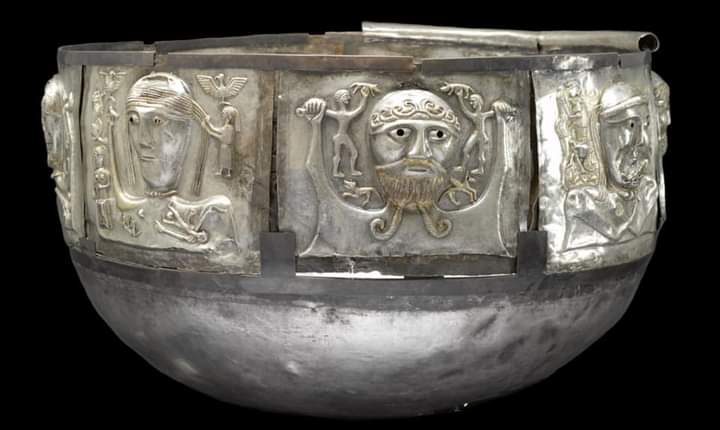
Faces glare from the outside of the cauldron. Their staring eyes once held glass insets. They are probably gods and goddesses, as they perform superhuman feats. One grasps a deer in each hand. Another holds two fantastical serpents, while beneath his gaze a double-headed beast devours two tiny human figures. Inside the cauldron, another panel shows a god next to a wheel, perhaps a symbol of his powers. Next to him is a warrior in a horned helmet, surrounded by hounds and griffins.”

Ultimately, we may never know exactly what the purpose of the Gundestrup cauldron was. We may never discover why someone had carefully buried it in the peat bog. It certainly meant enough to someone to transport it or have someone transport it to Denmark from a very faraway place

Sources:
https://www.ancient-origins.net/artifacts-other-artifacts/gundestrup-cauldron-largest-and-most-exquisite-iron-age-silver-work-europe-020989
https://en.natmus.dk/historical-knowledge/denmark/prehistoric-period-until-1050-ad/the-early-iron-age/the-gundestrup-cauldron/
https://britishmuseum.tumblr.com/post/132087416007/the-gundestrup-cauldron
https://www.historicmysteries.com/gundestrup-cauldron/
http://www.native-science.net/Gundestrup-Cauldron.htm

Susie j Folmer, 2019 ©
Critter Café

Beautiful wildlife by Susie j in Takanya

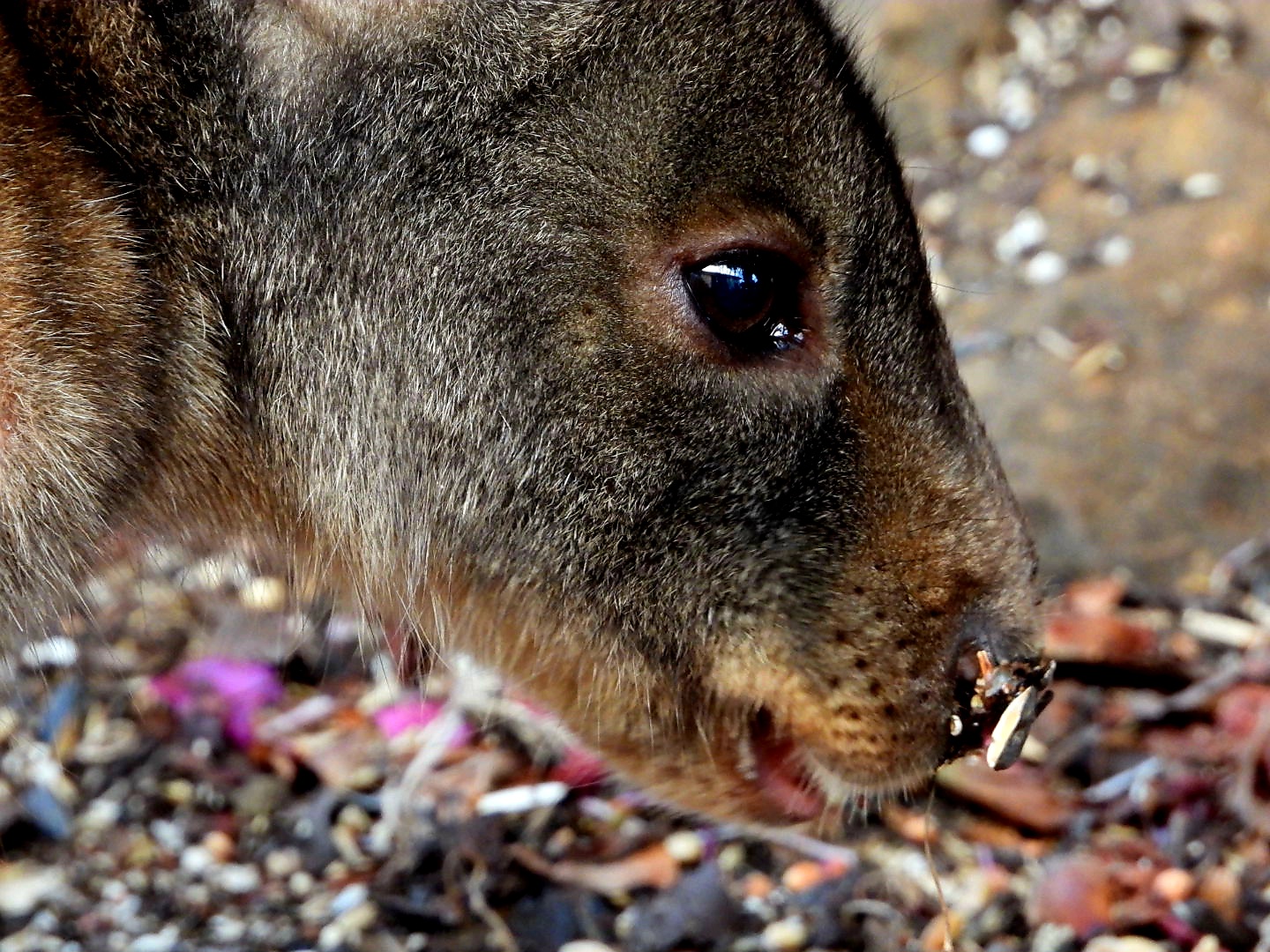
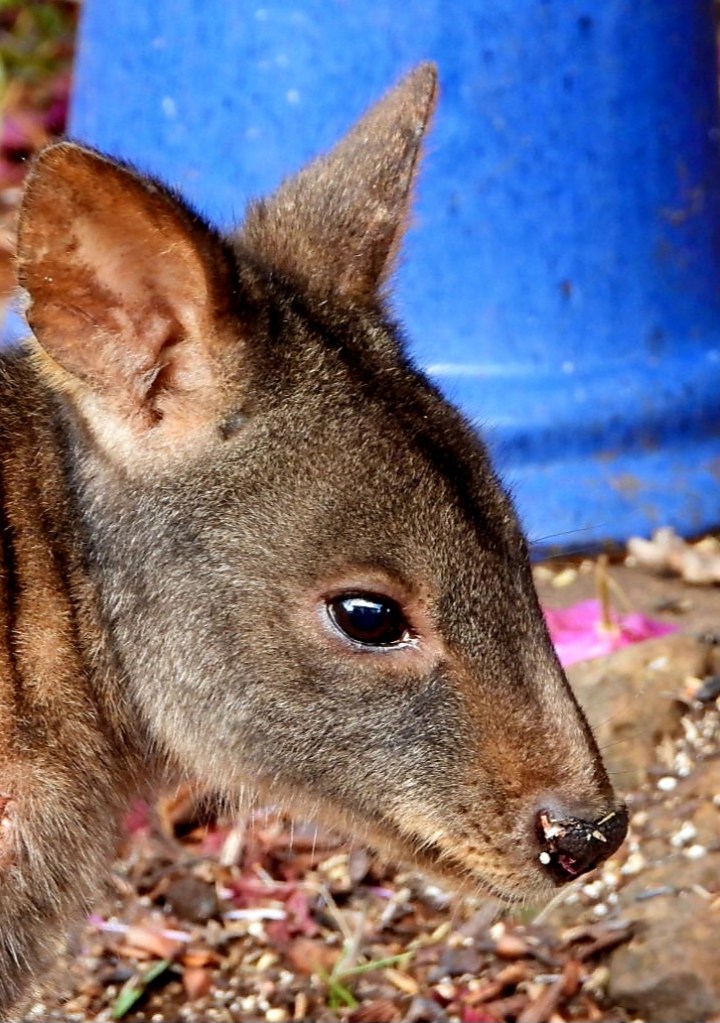
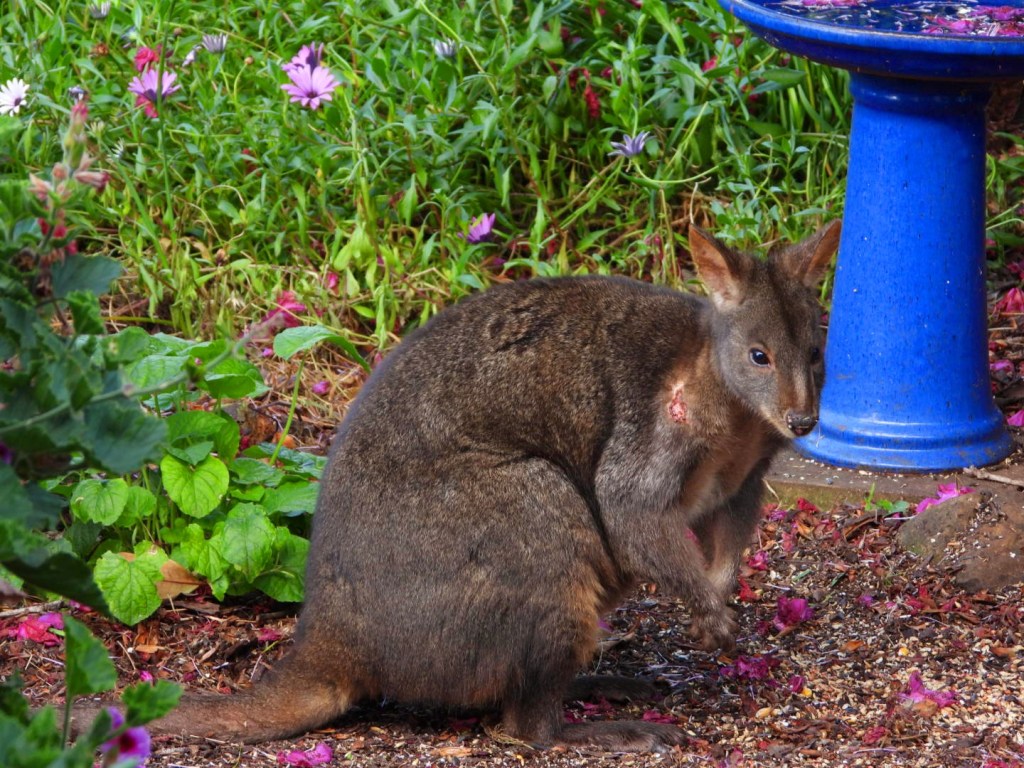
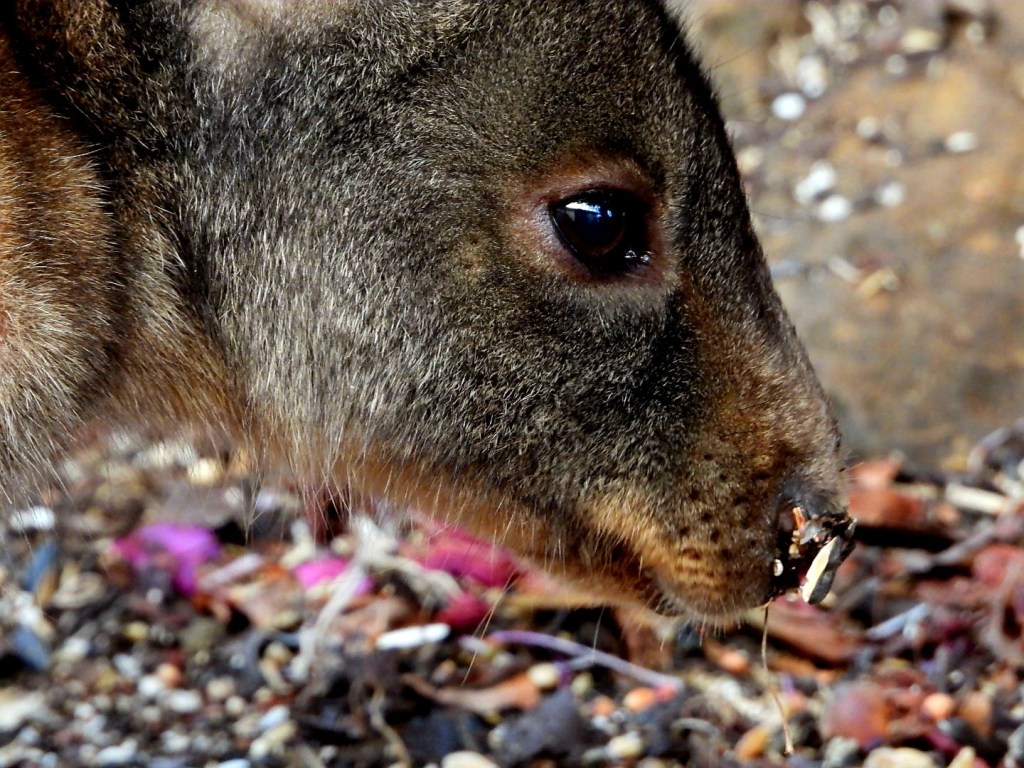
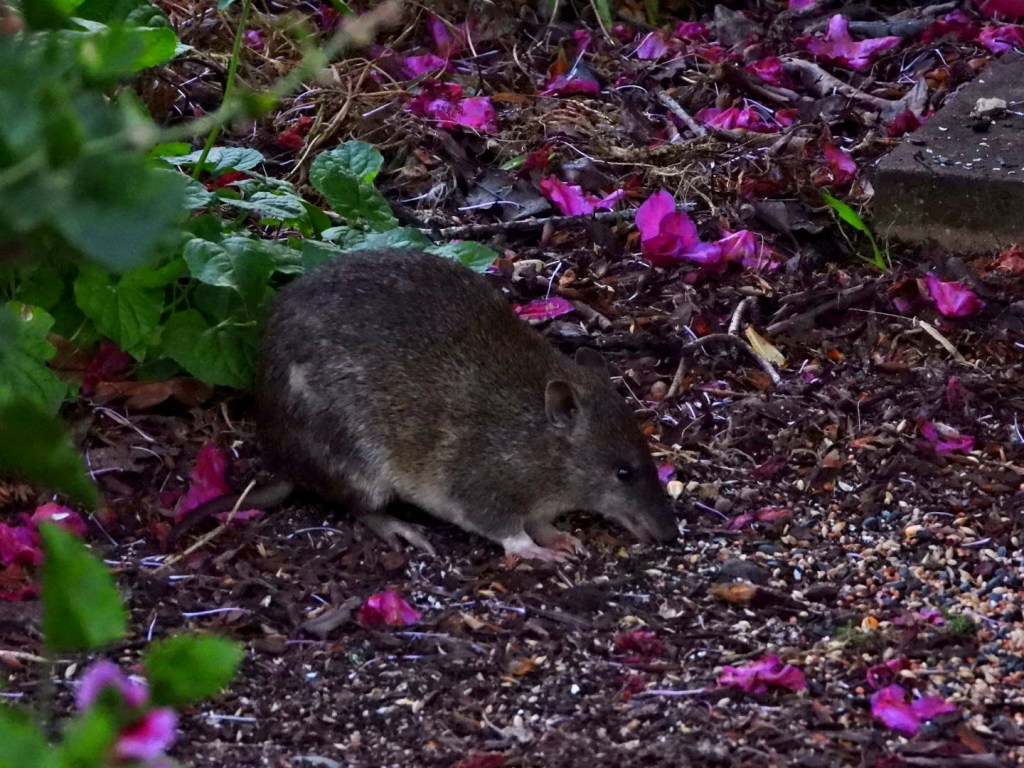
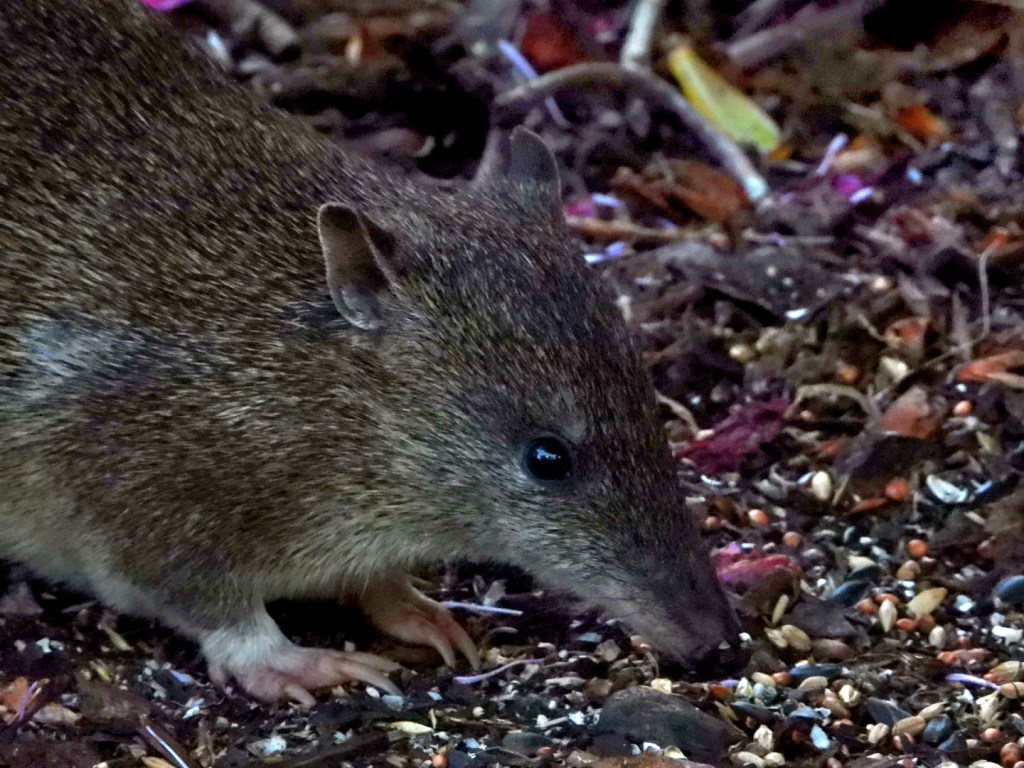
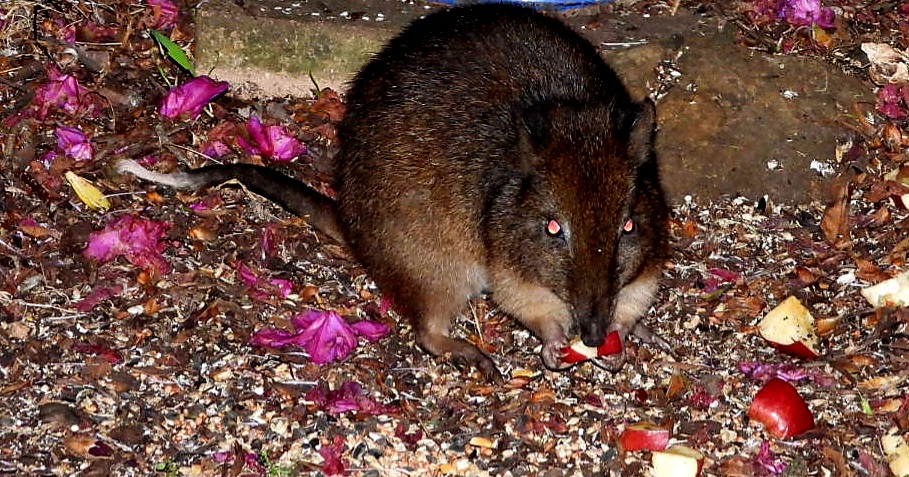
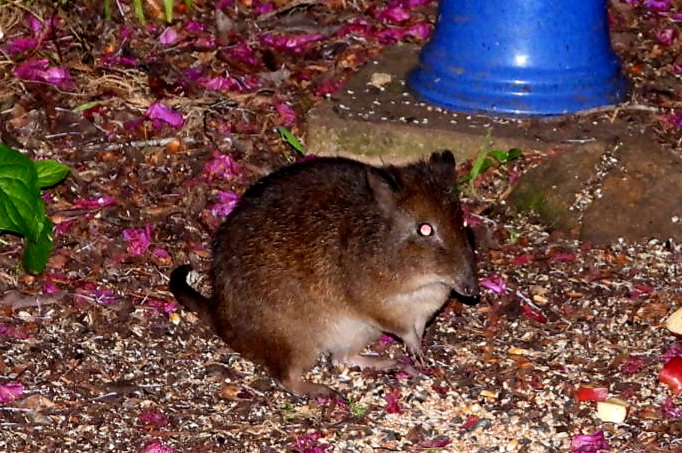
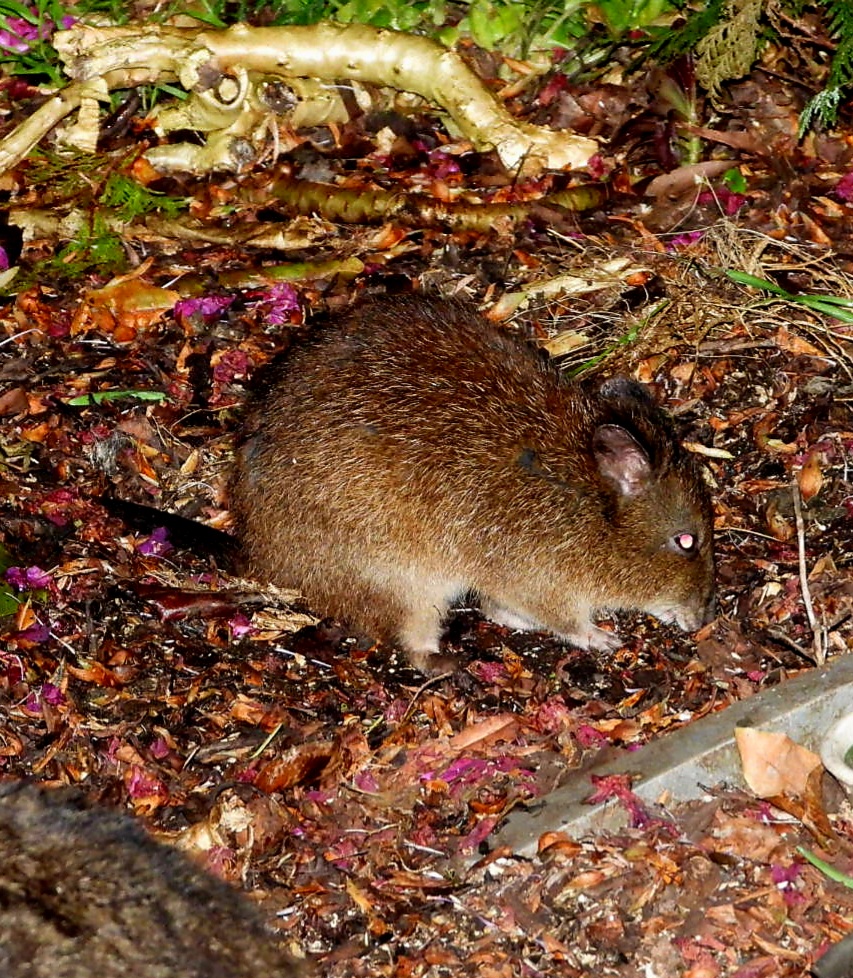
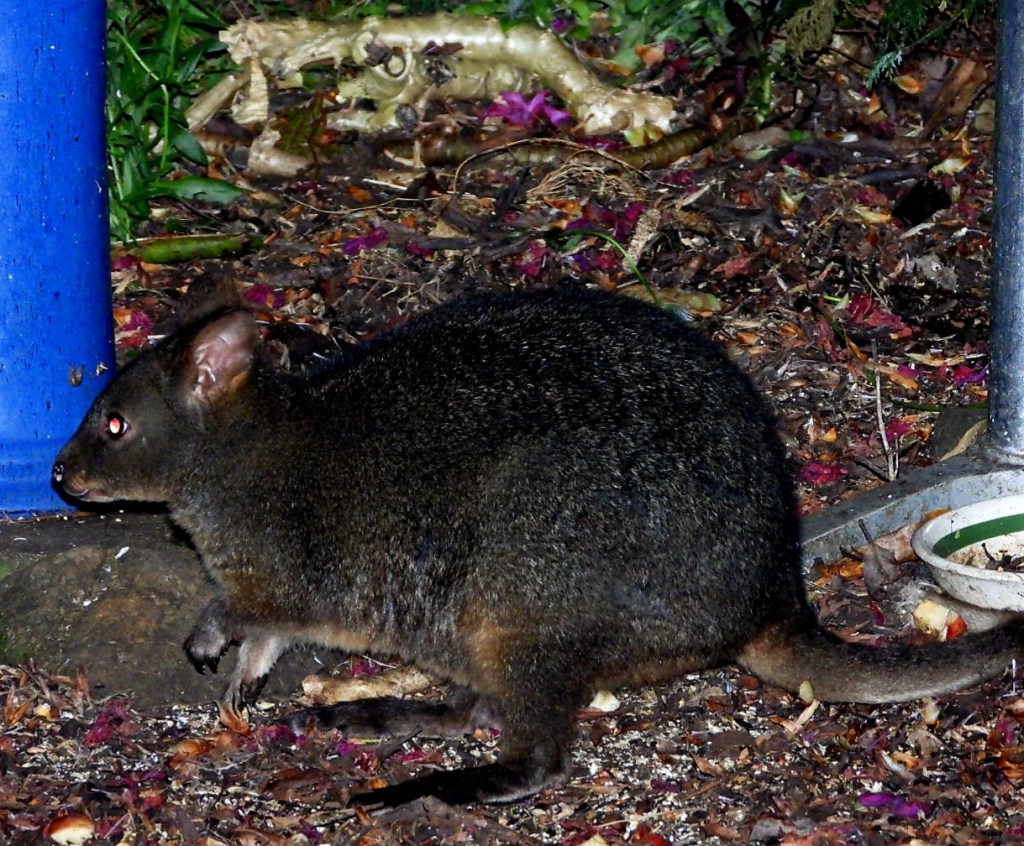
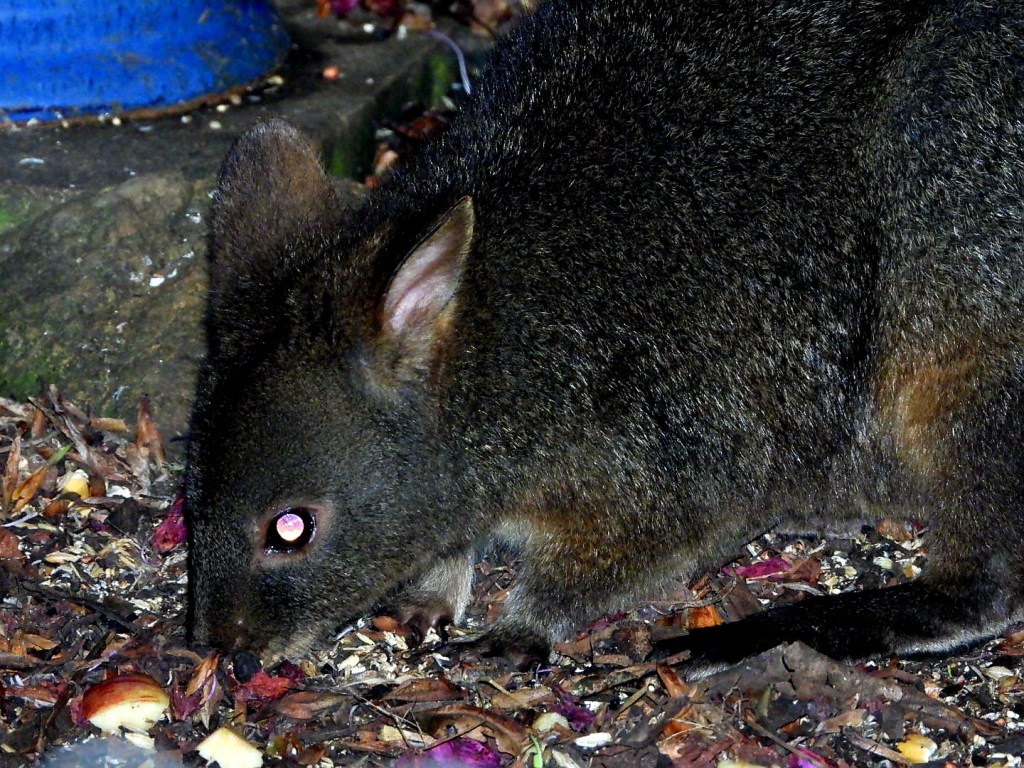
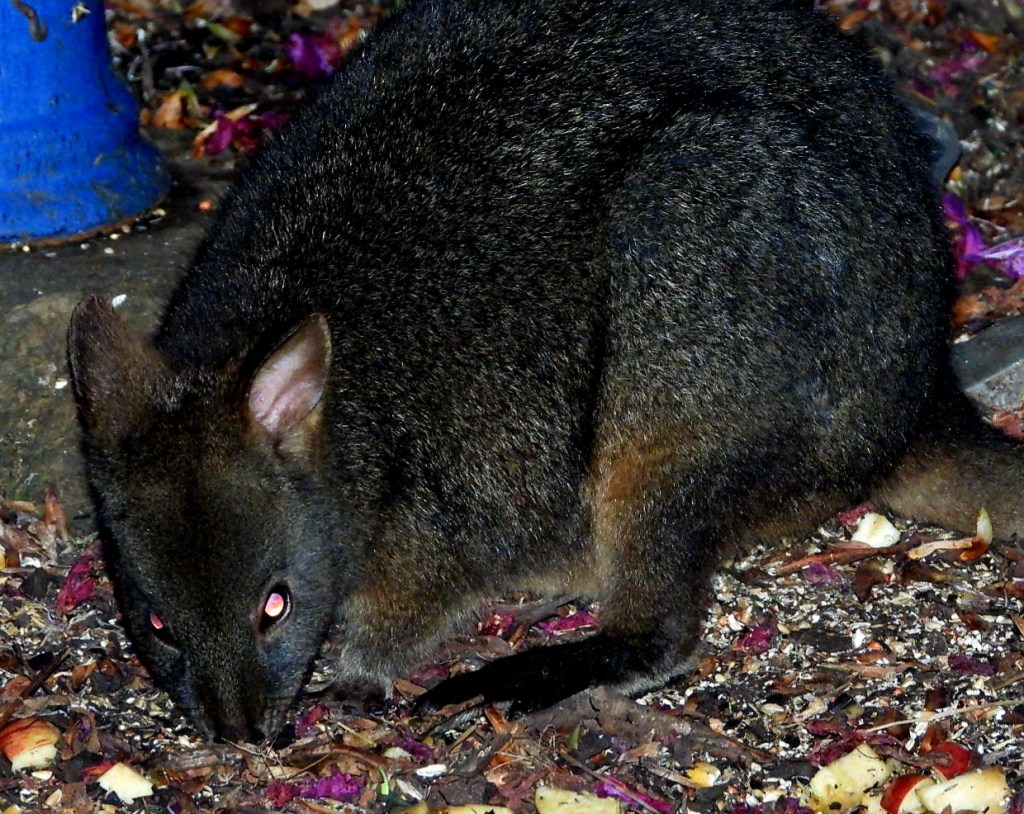
The Tasmanian-Lutruwita Wallaby, Bandicoot, Potoroo & Paddymelon

Susie j Folmer ©
September ~ October 2023

All images subject to copyright

©️ Susie j Folmer, 2023

Spring in Paradise

A Visual Journey :: September 2023

Susie j Folmer

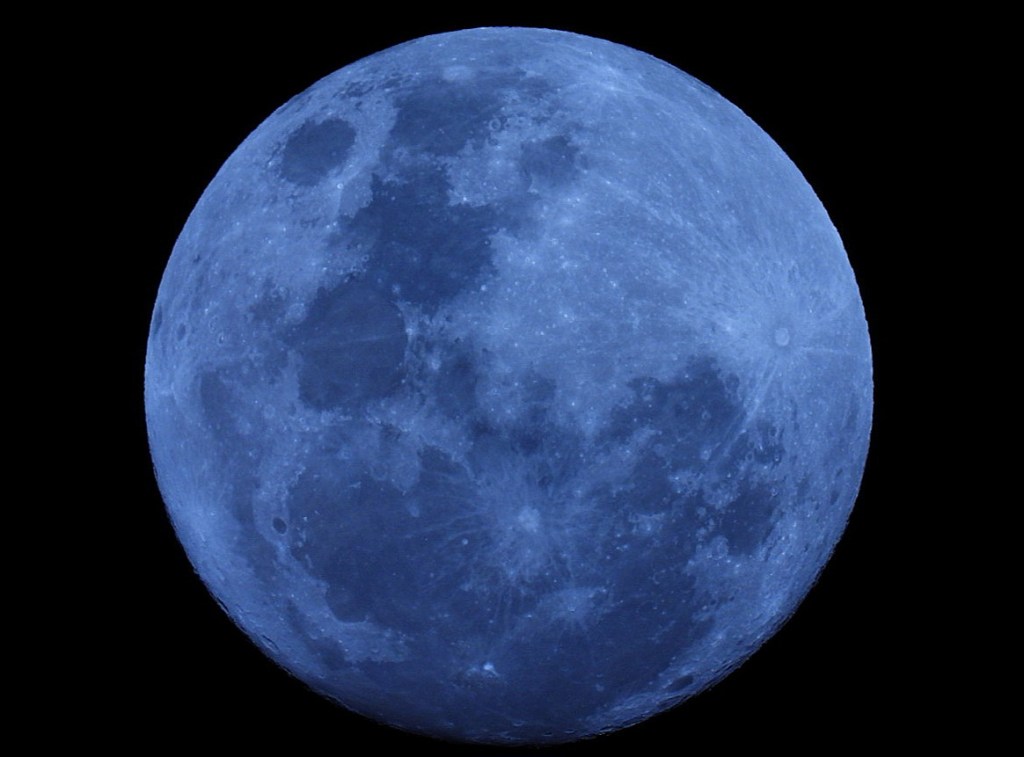
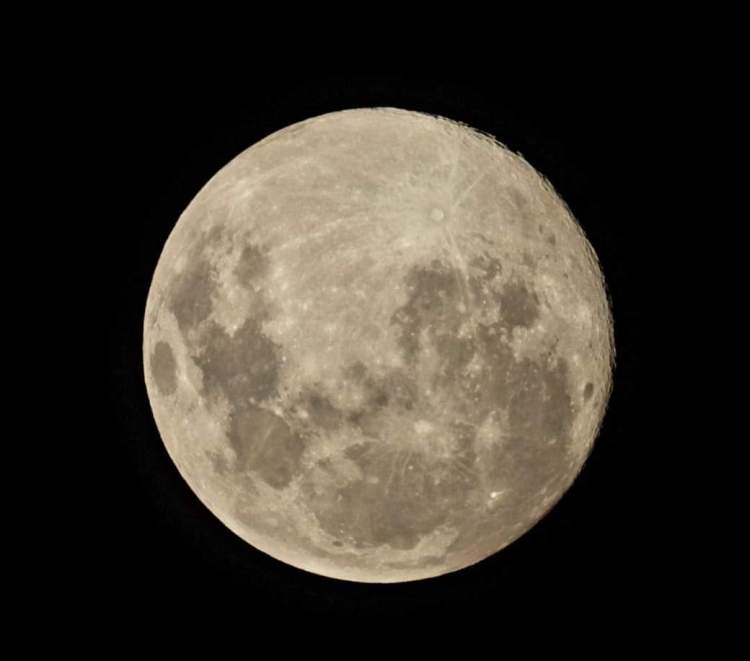
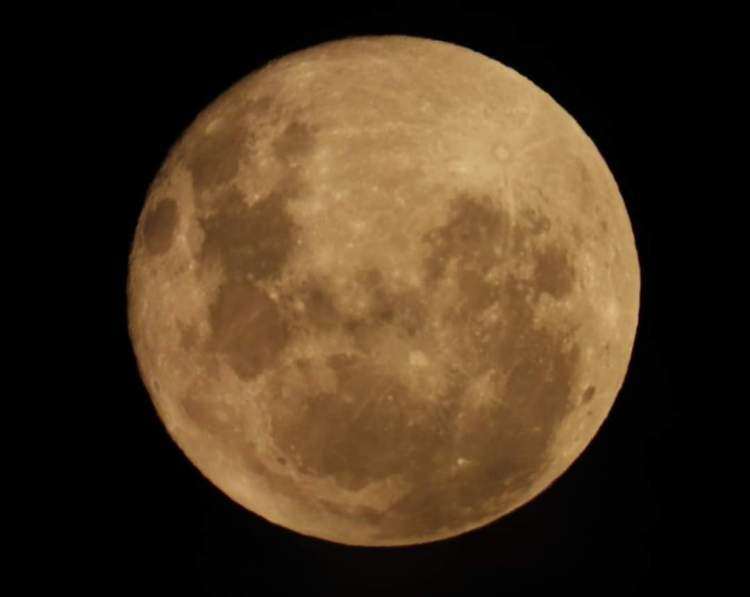
August 30th 2023, Full Moon, Susie j Folmer ©
Full Moon Rituals 30th August 2023, Susie j Folmer ©
Full Moon Rituals August 2023, Susie j Folmer ©
Image, Susie j Folmer ©
Susie j Folmer ©
Susie j Folmer ©
Susie j Folmer ©
Susie j Folmer ©
Journeys & Road Trips, August 2023, Susie j Folmer ©
Road trip, August 2023, Susie j Folmer ©
Susie j Folmer ©
Susie j Folmer ©
Susie j Folmer ©
Susie j Folmer ©
Susie j Folmer ©
Susie j Folmer ©
Susie j Folmer ©
Susie j Folmer ©
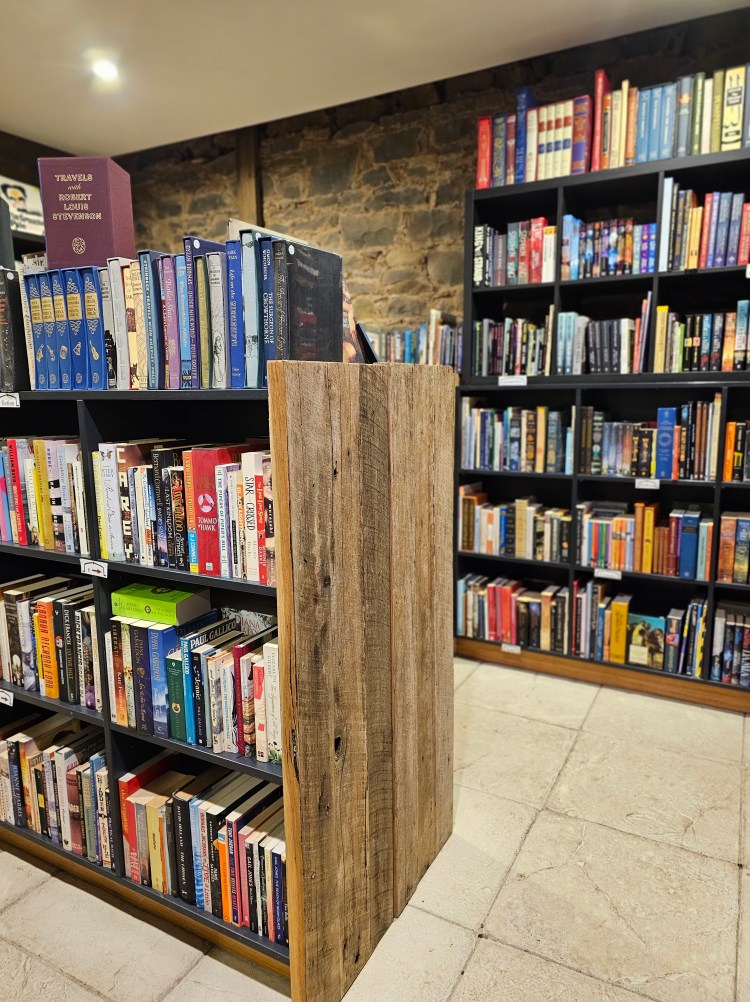
Bookshops discovered along the way. Susie j Folmer ©
Rare Gems, Susie j Folmer ©
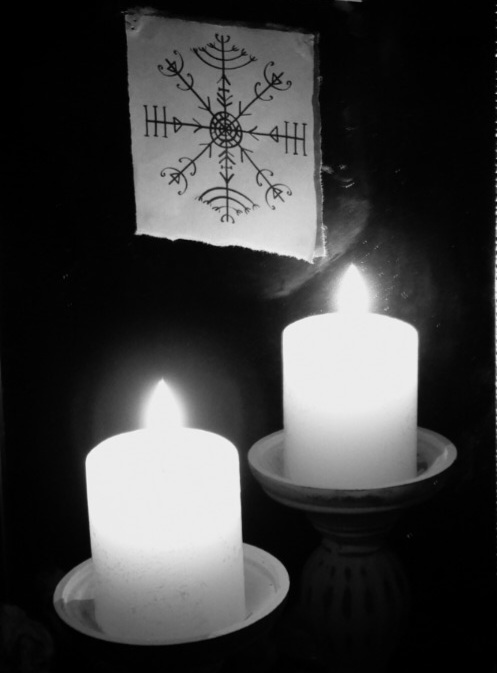
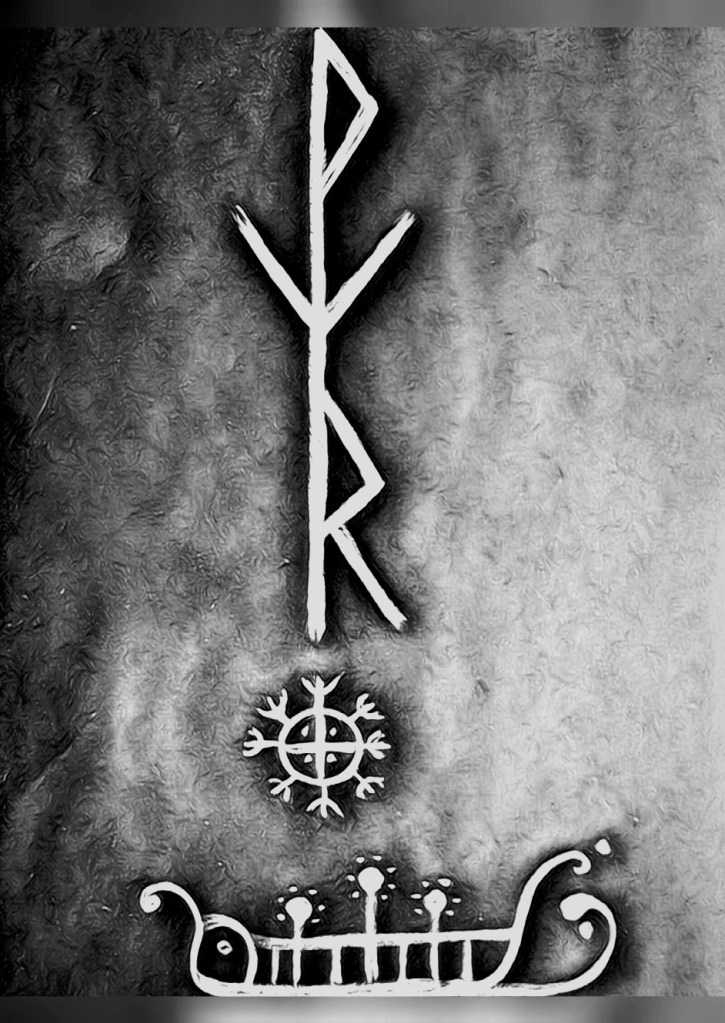
Bindrune Art by Susie j Folmer ©
Susie j Folmer ©
Susie j Folmer ©
Susie j Folmer ©
Honeward Bound Vistas, Susie j Folmer ©

Luminous Warrior

Raging within the cavern of our soul, paradoxical patterns battle as yearning is mixed with aloneness; fear of being loved tries to overwhelm not ever having experienced true love; doubt engulfs surety; and self-loathing takes on
self-acceptance. You will rise! You must rise! You were born to be a warrior! A luminous warrior!

To be a luminous warrior is to discover the power of fearlessness. Luminous warriors recognize that our job is to use love to vanquish its opposite – and its opposite is not hate, but fear. In the same way that darkness is the absence of light, fear is the absence of love. Our challenge is to exorcise the fear and its darkness within by embracing love and its light.

Wandering through the long grass, she felt the freedom never felt. Walking through the forest, the trees swayed to the bird songs, reminding her everywhere was beauty. Colours blossomed. Scents kissed her breath. At last, she had come home. The home she had never left. She had found it within her own heart and soul. Home to herself. She realised that the key was within her own vulnerability – the willingness to show up and be seen with no guarantee of outcome. It was the only path to love, belonging, creativity, and joy. That living a brave life is not always easy: We are, inevitably, going to stumble and fall. It is the rise from falling that from which we learn the hardest and greatest lessons.

© Susie j Folmer 2023

The Vulgarity of Vendettas

Susie J Folmer, 12th August 2023

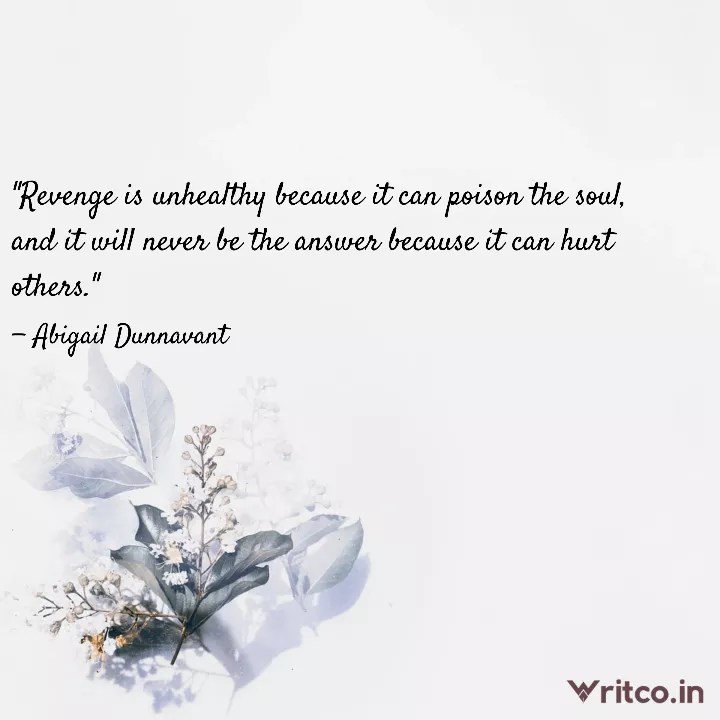
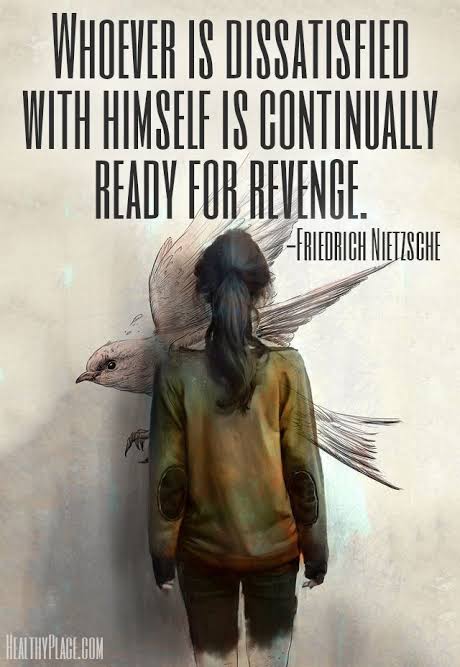
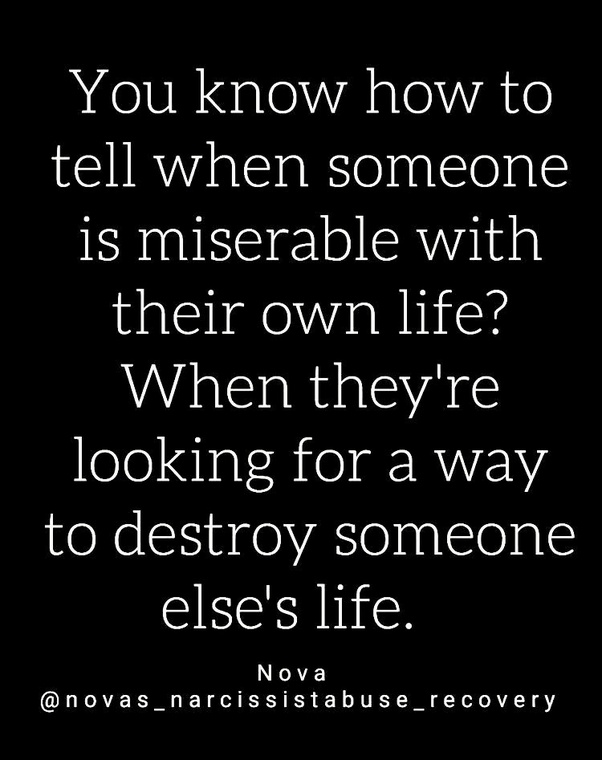
Vendettas are destructive in every way and on every level. Sadly, it is a personality trait that is common among those with narcissistic personality disorders and more common than we might think. I felt it was prudent timing to dedicate some writing to exploring vendettas after witnessing, and experiencing the fall-out of what happens to someone adversely affected by those fueled by vendettas. The experiences I have had, and others close to me, have given me the sense of empowerment to find my voice and speak out against these actions and hopefully offer something worthwhile to others who are experiencing or have experienced this in their lives. Perhaps the rise in social media has made these things more visible and far easier for people to undertake. Please note that this article is aimed at helping those affected by vendettas and at the end of this article are the contact details for further support should you find yourself in need of professional support.

What is a vendetta?

A vendetta is typically defined as a prolonged and bitter feud or rivalry between individuals or groups, characterized by an ardent desire for revenge, retribution, or retaliation. Often the victim of a vendetta is not engaging in rivalry, retaliation or conflict but remains silent.

Vendettas arise from perceived wrong-doing, offense, jealousy or deep-seated animosity and can involve persistent hostility, malicious intent, and a relentless pursuit of retribution. Vendettas are often profoundly personal and can result in ongoing conflicts, negative interactions, and a cycle of revenge-driven actions. People who drive vendetta campaigns will often falsely accuse and allege it was you that did something wrong that they will use to justify their bad behaviour, yet the reality is these accusations are often a projection or reflection of their own actions. The truth is there if you choose to see it.

Those who have a pattern of vendetta driven behaviours are typically narcissistic and dealing with narcissism is not an easy thing. You can’t control what other people do, and wishful thinking will only drain you of time and energy.  Tune your mind into more productive matters in life and tune out to the noise that vendetta driven people create by way of constant gossip, attempts to gain support or recruits to their cause, and malicious smear campaigns. People who engage in these sorts of behaviours aren’t used to having boundaries set with them are likely to get upset. But setting firm boundaries will save you from stress later. No matter where you go in life, you’re bound to come across toxic people. You may feel helpless from time to time, but the truth is you hold power in the way you respond.

If you are in a cycle of vendetta driven behaviour, holding a grudge, feel like you have been wronged, I hope that you can find ways to overcome what you are feeling as it is doing you no good and more harm than you might realise or had intended. The ripple effect of vendetta’s is immense, so it isn’t just harming the target, but many others, notwithstanding the energy of the universe is adversely impacted on when this sort of energy is dispersed. So, please, let it go, find ways to deal with it that are far healthier. There are no winners in these situations, least of all those who undertake these campaigns driven by hatred, and eventually there are always repercussions which are simply not worth wasting your time and energy on.

Tips on Dealing with Toxic People

•Don’t allow their behavior to dictate your emotions. Accept that it’s up to you to manage your emotions, regardless of how other people behave.

•Stay calm and composed: Feeling hurt, angry, or defensive is natural when someone has a personal vendetta against you. However, it’s crucial to remain calm and avoid escalating the situation further. Reacting impulsively or aggressively can worsen the conflict.

•While you can’t control other people, you can control how you respond to them. Whether you decide that your best approach is to speak up or that you’re better off staying silent, put your energy into taking positive action.

•Set boundaries: Establishing clear boundaries with individuals with a vendetta against you is essential. Communicate assertively and respectfully, clarifying what behavior you will not tolerate. Maintain your self-respect and avoid engaging in personal attacks or retaliatory actions.

•Even when you establish healthy boundaries with difficult people, they can still drain your mental strength. Practice healthy coping skills that will help you stay strong.

•Seek support: Dealing with personal vendettas can affect your emotional well-being. Contact trusted friends, family, or mentors for support and guidance. They can offer a fresh perspective and help you navigate the challenges more effectively.

•Evaluate the situation objectively: Take a step back and objectively assess the situation.

•Focus on personal growth and self-care: While addressing the situation is important, don’t let it consume your life. Focus on personal development, self-improvement, and pursuing your goals. Engage in activities that bring you joy and maintain your physical and mental well-being.

•Experiment with a variety of coping skills, like gratitude and meditation, to discover what works best for you. Your spiritual well-being is as important as your physical and psychological.

•Take good care of your health as well. It’s impossible to stay mentally strong when you’re abusing your body with alcohol, sleep deprivation comfort eating, or junk food.

•Document incidents and gather evidence: If the vendetta escalates to a point where legal or professional action may be required, it’s crucial to record any incidents, conversations, or evidence that could support your case. This documentation can protect your interests and clearly explain the situation.

•If the vendetta becomes persistent, malicious, or threatens your safety or well-being, consider involving relevant authorities such as law enforcement, human resources, or legal professionals. They can provide guidance and assistance based on specific circumstances. Ultimately, the best outcome is your success, happiness, and the triumph of not giving vindictive people any dominion over your peace of mind.

Further Support

For further support I personally recommend Miranda Wyatt who is well versed, highly experienced and offers tailor-made solutions that will suit everyone’s individual and unique experience.

Miranda can be contacted via:

https://mirandawyattlifecoach.ck.page/

Remember: Stay true, stay you! 🌿

© Susie J Folmer, August 2023

Tall Poppy Syndrome

Susie J Folmer, 10 July, 2023

Tall Poppy Syndrome happens globally while originally recognised in Australia and New Zealand.

Tall poppy syndrome is a societal attitude and phenomenon occurring when people are attacked, resented, disliked, excluded, cut down or criticised for their success and merit.

Rather than celebrating the achievements of someone for their achievements and contributions, they are cut down and often unconsciously relegated, overtly or covertly.

Counterintuitive to the ideas of celebrating achievements and lifting one another up, it continues to permeate society. Whilst not having an overt gender bias, Tall Poppy Syndrome is identifiably more common with women.

So let’s celebrate each others successes so that we all can enjoy the amazing contributions people make rather than trying to undermine, sabotage or collude to destroy them. It will become an dull and empty world if we were all to behave the same, think the same, contribute nothing, and suppress voices of those who do contribute much to making community, societyand the world a better place.

Envy, the Greek philosopher Plutarch knew, was the only disorder of the soul that no one confessed to. There are two sides to this feeling of resentfulness towards the successful or the lucky. The reaction of envious people and how those who are being envied handle them. Both play a role in Tall Poppy Syndrome” (https://themindcollection.com/tall-poppy-syndrome/)

Some helpful research-based articles:

•https://themindcollection.com/tall-poppy-syndrome/

•https://harpersbazaar.com.au/tall-poppy-syndrome-wellbeing-mental-health/

“The Tallest Poppy, a study led by Dr. Rumeet Billan, reveals the consequences of this silent systemic syndrome and the impact it has on women in the workplace worldwide. The study examines the impact of Tall Poppy Syndrome on the individual and the cost to organizations.”
•https://www.womenofinfluence.ca/tps/

© Susie J Folmer

Poem XVII

By WH Auden

This lunar beauty
Has no history
Is complete and early;
If beauty later
Bear any feature
It had a lover
And is another.

This like a dream
Keeps other time
And daytime is
The loss of this;
For time is inches
And the heart’s changes
Where ghost has haunted
Lost and wanted.

But this was never
A ghost’s endeavour
Nor finished this,
Was ghost at ease;
And till it pass
Love shall not near
The sweetness here
Nor sorrow take
His endless look.

Wystan Hugh Auden was born 21st February 1907 and died 29th September 1973. He was a British-American poet whose poetry was noted for its stylistic and technical achievement, for the way he was able to engage with subjects of a political, moral, romanic love and religious nature. He masterfully demonstrated a variety in styles. His best known poems are about love. He covered themes of cultural and psychological nature also. He came to wide public attention with his first book ‘Poems’ at the age of twenty-three in 1930.

The following list includes only the books of poems and essays that Auden prepared during his lifetime. For a more complete list, including other works and posthumous editions, see W. H. Auden bibliography.

Film scripts and opera libretti

Musical collaborations

© Susie J Folmer

Images by Susie J Folmer

References:

Auden, W. H. (2002). Mendel7son, Edward (ed.). Prose, Volume II: 1939–1948. Princeton: Princeton University Press. p. 478. ISBN978-0-691-08935-5. Auden used the phrase “Anglo-American Poets” in 1943, implicitly referring to himself and T. S. Eliot.

Auden, W. H. (1973). Forewords and Afterwords. New York: Random House. p. 69. ISBN 978-0-394-48359-7.

 Smith, Stan, ed. (2004). The Cambridge Companion to W. H. Auden. Cambridge: Cambridge University PressISBN 978-0-521-82962-5.

Davenport-Hines, Richard (1995). Auden. London: Heinemann. ISBN 978-0-434-17507-9.

Carpenter, Humphrey (1981). W. H. Auden: A Biography. London: George Allen & Unwin. ISBN 978-0-04-928044-1.

Cycles, seasons, reasons

Change is part of the essence of cyclical living. When we attune ourselves to the cycles within and we naturally start to see that we are of this Earth, the natural world. Connectedness to nature flows into our connectedness to each other. The beat of a drum in tune with the beats of raindrops. The voices that sing in tune with birdsongs. The hum of our voices in tune with the bee’s. We are part of this great, beautiful web of creation, and each is the only one who can decide what is true for you.

© Susie J Folmer

Identity

Daughter of the Universe, why do you settle for such scraps? Can you not see you are sacred, you are woven from stars, and ancient mystery, etched with soul deep longing; do you really think your heart would ever be satisfied by anything less? When did you start to be content and settle for so little? When did you stop seeing your worth and begin swallowing your voice? Do you not see your magic? Do you not know who you are? Longing is one of the most powerful creative forces we know. Turn your longing into living, shape, create, grow. Find your path, your place, the sanctuary of your soul. You are being called to action. Be driven by each task. Be creative, be bold, be able to fill that longing that has driven and guided you this long. Let your spirit dance on the moonlit nights and sing whether it rains or shines. Fly on the wings of the rhythm of life, sway with the trees and grasses you knew. Let the light illuminate you! Honour the spirits of the ancestors and receive their lessons and gifts. It is what they want for you. They have messages of healing and medicine to offer you. Create sacred moments and let their wisdom infuse you. You are done repeating their tragic stories. Step into the abundance that awaits, receive the gifts of those that have come before you, and write a new story for your life.

“A woman armed with ancestral wisdom is a powerful force. You’ll find her powers come from within, she is in tune with her spirit, and the magic of the universe. She trusts, values and follows her intuition.”

Lori Bregman

© Susie J Folmer